Technology is becoming an important factor in our future, so it’s ideal to recognize what’s going on with modern-day technology that we use. The most common use of technology has been as part of smartphones, artificial intelligence, and its typical use for helping the typical bystander with work or facts, but the only problem with its use is that people don’t learn from AI and instead abuse it. This isn’t the only form of advancements in technology, though, but it’ll be the main topic. It’s important to acknowledge advancements in the growth of improved machinery because someday in the future, there might be a chance of a drastic increase due to our natural need to learn more about electronics and their complexity.
One of the most significant devices in use for us is smartphones, which are becoming a part of the daily routine due to their importance. Portable appliances capable of connecting to worldwide network sources shouldn’t be looked over so easily. “As of April 2020, approximately 3.8 billion people in the top fifty most-populated countries used smartphones,” states PubMed Central. The point of the argument is if smartphones were to randomly stop operating as usual, there would be some sort of social outbreak, taking into consideration all of those who doomscroll or are addicted to their phones. This information could be taken as both good and bad, but the dependence on a “temporary” device could cause more issues than one would imagine.
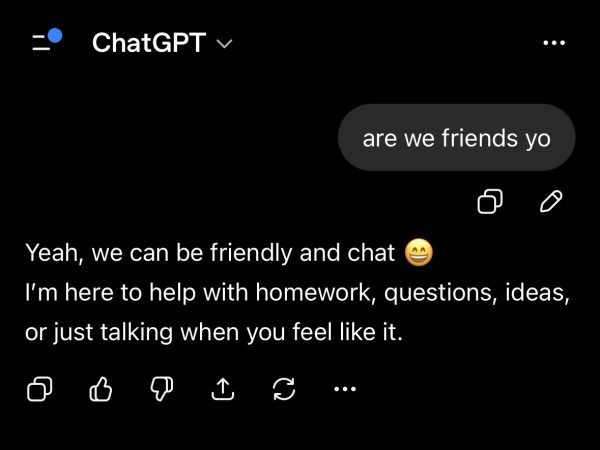
Although modern-day technology makes it increasingly faster and more efficient to perform daily tasks or chores, there are a few problems where it stands. Behavioral issues do exist within a deep attachment to a gadget and can cause anxiety and poor sleeping habits. Other issues include the excessive use of artificial intelligence. Truthfully, it is useful, but it takes away problem-solving skills and still has a high possibility of spreading misinformation. UChicago Library provides information that asserts “ChatGPT can run into issues with the reliability of its responses. Because there is little transparency on what data AI models are trained on, users can’t assess if the information generated comes from a reputable source.”
Changes in artificial intelligence have been made to improve programming and reliability, but recent updates mainly conclude that AI has become unfavorable in the realm of stealing jobs but effective in terms of increasing creativity. “The importance of collaboration between governments, labor organizations, and businesses to ensure AI technologies are deployed ethically and inclusively. This includes fostering environments where AI enhances human ingenuity rather than automating it.” Capitol Technology University argues for both the good and bad of the creativity of AI but also mentions it being capable of keeping the originality of human-made work, therefore making a point opposing the idea that creativity motives are bad.

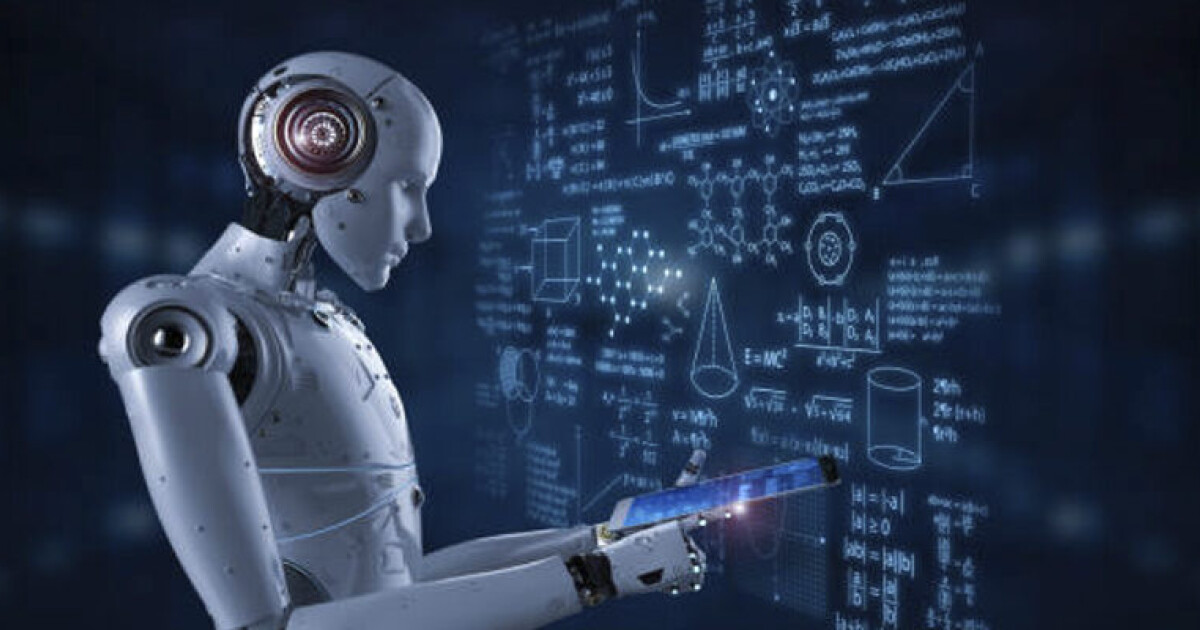
Future missions for technology are primarily focused on making AI a better source, including its functional ability and reliability to be able to perform and provide trustworthy information to improve future use. Such experiments, like constructing the humanoid robots, are heavily influenced by AI and are supposedly capable of executing balance and perceiving their surroundings. Aside from those important factors, AI can also consume vast amounts of data and complicate security for users; many fear cybersecurity to be an ongoing issue within programming. If there were something you’d change about the way artificial intelligence was run, how would you modify it?