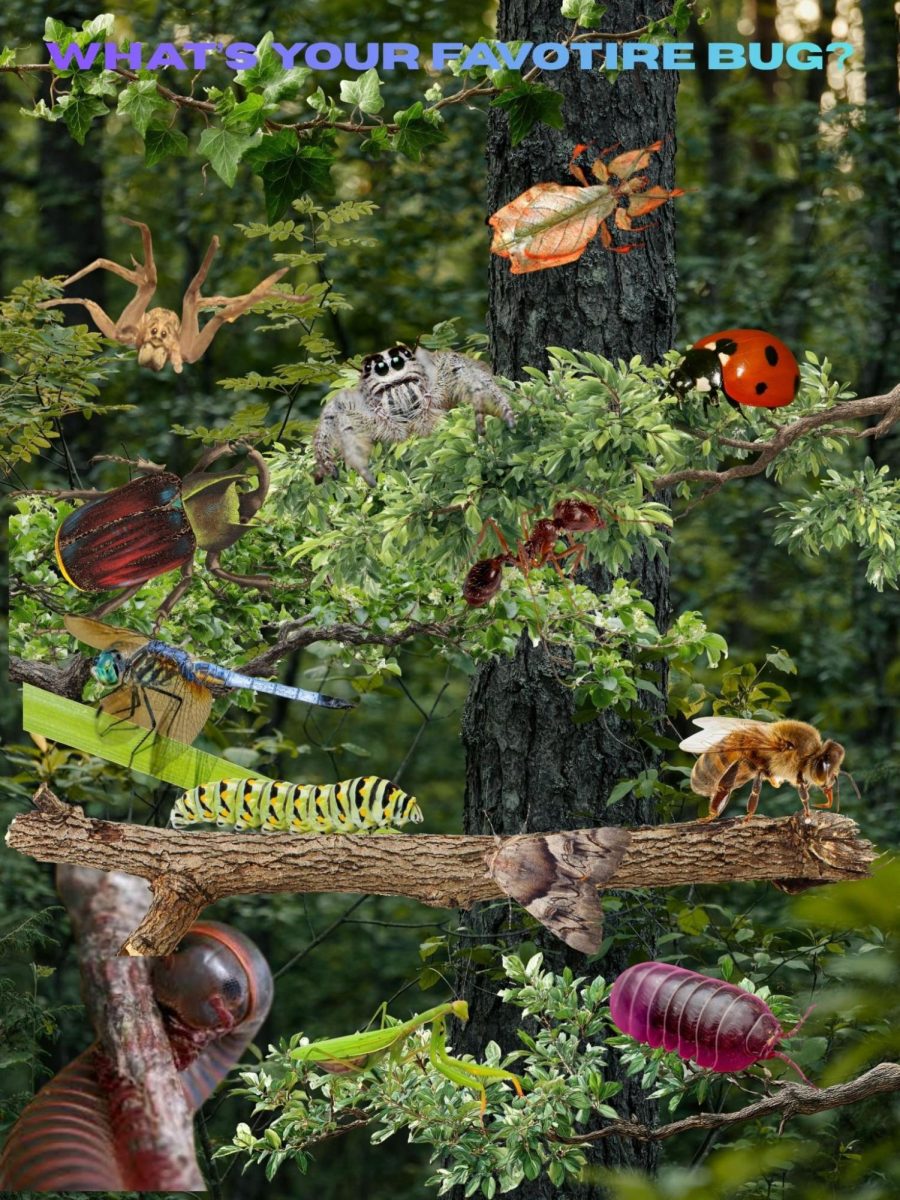
Bugs, helpful little critters that live everywhere. They come in all different shapes, sizes, colors, and types; each bug is unique in its own way. Whether you find them scary, delightful, fascinating, or downright disgusting, bugs are a major necessity when it comes to the earth. Bees, ants, butterflies, and other pollinators help keep crops from dying, while things like millipedes, springtails, and isopods break down and eat decaying matter, which allows more things to grow and form. Even if they look a little freaky, they all serve a purpose, which leads to many things to like about them. Some even have really cool abilities that make them fun to watch and study! From spiders that make webs so large and sturdy they can hold something twice its size, to a praying mantis that looks like a flower to trick prey into coming close, every bug has an abundance of cool abilities, and many people call each bug a favorite. Well, it’s time to check that out.
Emily Olds is a freshman at Pahrump Valley High School who actually owns a curly-haired tarantula named Noodle that is around four years old. When asked about her favorite bugs, she said, “My favorite type of bugs consists mostly of tarantulas, most arachnids, Tailless Whip Scorpions are pretty cool, and I’m also a really big fan of many different types of beetles like Hercules beetles, the way their elytra and colors form. I think it’s really cool and impressive. The reason tarantulas are my favorite bug is because they come in so many different sizes and a variety of colors, curly-haired tarantulas, in specific, because their breed is known to be much more docile, but they’re still really fun to watch. A really cool fact about curly-haired tarantulas is that they can live up to 24 years old.”
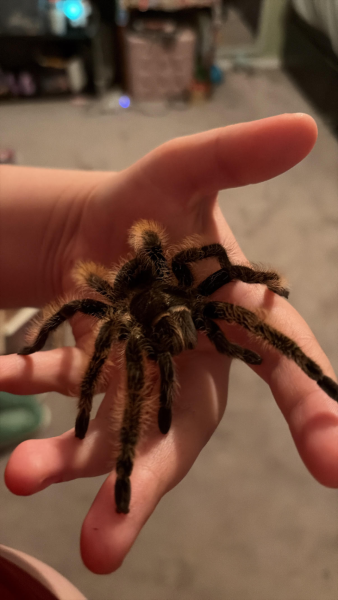
Olds went on to explain that owning bugs isn’t for everyone due to the fact that they’re not really a hands-on type of pet. Bugs are meant to be watched rather than played with, which she said can put people off the idea of owning one. While Olds had a long list of different bugs she enjoys, she did mention that “There are a few different bugs that I don’t actually like, for example, massive ones with a lot of legs; it would just make me uncomfortable to handle them. I think my least favorite bug would be the Asian Lady Beetle due to the fact that I’ve been bitten by them so many times, way more than I have spiders or centipedes. They’re just mean and evil.”
Jakodee MarchBanks, a freshman at PVHS, said his favorite bug was the praying mantis: “My favorite bug is the praying mantis, doesn’t matter the species. I find the way they capture their prey to be awesome. The way they use their mandibles to just snatch them up and eat them is very cool to witness. Some praying mantises even look like flowers to disguise themselves and lure in prey. I would absolutely keep some as pets if I could.” MarchBanks showed a deep interest in the praying mantis, describing how awesome he thought the bug was, in general, down to the way they ate and went about their lives. When asked about his least favorite, MarchBanks said, “It would be fly larvae maggots are just straight up nasty, and I hate them, from the way they move, to how they are laid. I hate them so much.”
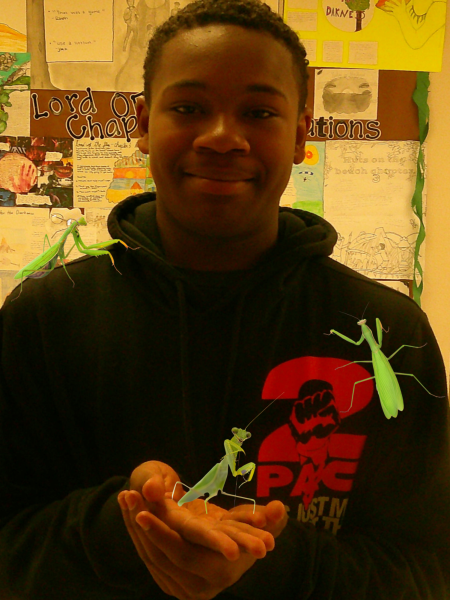
The mantis can live up to six to 12 months in captivity, and a year and a half in the wild; however, it’s the females who usually live the longest. When two praying mantises mate, the female, if feeling extra hungry, usually ends up eating the male after she beheads him, leaving nothing behind. However, there are cases where the male eats the female instead. Fun fact: the praying mantis only has one ear, which is located underneath the mantis on its abdomen, between both sets of legs. Some species also have hindwings, but they’re delicate, and they don’t use them for long-distance travel.
Now, for a bug most people have nightmares about, the humble centipede and its close relative, the millipede. Madison Sartin, a sophomore at PVHS, said her favorite bug was, surprisingly, the centipede: “My favorite type of bug would have to be the centipede, doesn’t matter the species. Something cool about them is that they don’t actually have that many legs; most only have around 40 legs, unlike their name and what most people suggest. I think the way they get judged for how creepy they look puts people off them, which I want to say isn’t rude, but it isn’t right to put it simply.”
When asked if she would ever keep this bug as a pet, she revealed she did, in fact, have one named Penelope before she moved to Pahrump. “I think a bug I don’t like is cockroaches. I hate how they target people when they run, and I just hate how they look.”
The centipede can have around 40 to over 100 legs, depending on how large or long they are; however, this number changes as they live throughout their lives, which they can regrow. Surprisingly, female centipedes are really good mothers. When they lay eggs, they dig down into the dirt and curl around the eggs to ensure the eggs survive. There are over 8,000 different species of centipede, each one with different colors and traits, though scientists believe there are over 12,000 species. Depending on the species, they can live up to five or six years, which is a rather long time for a bug.
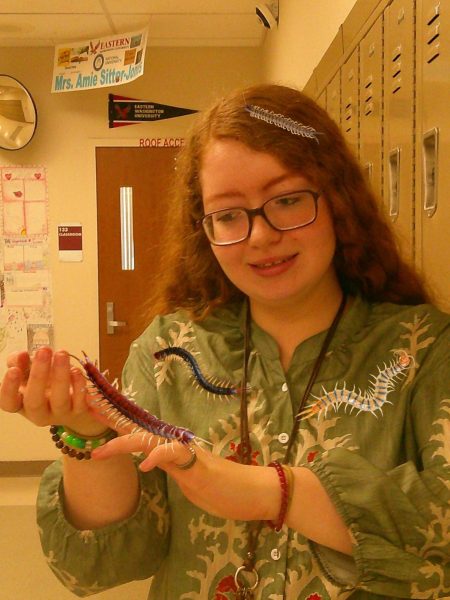
Then, of course, there in the millipede, which, despite what most think, isn’t actually that dangerous, and much less so than a centipede. Kirsten Lopez is a freshman at PVHS whose favorite bug is a millipede: “I would say my favorite bug is the dragon millipede, known for their bright colors and scale-like prongs on its back. I love how cool they look, and I think they’re really neat due to how unique they look. I would keep this bug as a pet, but I would have to be careful when carrying it because they secrete a cyanide-based venom that can cause slight rashing and skin irritation. You should always wear gloves when handling them as well as wash your hands and avoid touching your eyes, nose, mouth, or any other part of your body until you have.”
Dragon millipedes come in many different colors: pinks, blues, yellows, and even oranges. Along their backs are tiny barbs or spines that match the color, giving them an almost dragon-like appearance. Most of the species prefer living inside caves, many being located in Thailand, the first one having been discovered back in 1923. They don’t actually look like most millipedes, lacking the smooth, almost shell-like exoskeleton on their back. They look like centipedes at first glance, but don’t let it fool you.
Bugs are amazing little guys that people tend to overlook. With billions of different types and species, you’re guaranteed to find one that piques your interest, so the next time you find yourself outside, try giving these little guys more mind and observe them.