There are many religions that plenty of people follow in the world today, with the most prominent one being Christianity, holding about 2.3-2.6 billion people who practice it. With such a large religion, it is only by nature that people will try to interpret it in different ways. This brings us to what many seem to believe is an extremely important part of being a Christian, which is what denomination someone is: Catholic, Orthodox, or Protestant. It’s time to analyze and debrief the history and differences between these three denominations of Christianity.
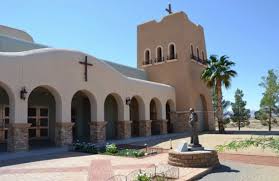
First, it seems to be fitting to start off with the most prominent of the denominations in Catholicism. Catholics believe that their church was first established around 30-33 C.E after Jesus Christ had established it during his life and end. Jesus is then said to have established Saint Peter as the very first pope. The pope would become the key head leader of the church and stay as that for the entirety of the church’s history. During the Roman period, the church had gone through a period where there were the Byzantine Catholics and the Roman Catholics. The church had also dealt with some inner conflicts with the Protestant Reformation in 1517, when many followers of Saint Martin Luther were excommunicated from the church. Nowadays, the current pope residing is Pope Leo XIV (Robert Francis Prevost).
Next, following the Catholic church comes Orthodoxy. When the Orthodox church began seems to be a tricky question. Orthodox Christians fully believe that their church was also founded in 33 A.D.
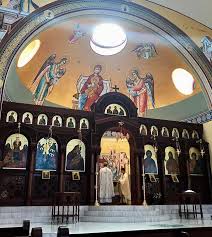
However, some argue the origins of the church were in 1054 when the schism occurred. This is when the Pope of Rome and the Patriarch of Constantinople exchanged official excommunications, which separated the two churches. The church itself runs on decentralized leadership with bishops being assigned to each “local church.” There is also the patriarch who is seen as the first among equals. The current lead patriarch for Orthodoxy is Patriarch Bartholomew I of Constantinople.
Then, this brings us to our final denomination in Protestantism. The first origins and beginnings of Protestant churches date back to October 31, 1517. This date was when Martin Luther nailed his “95 Theses” onto the Castle Church in Wittenberg, Germany. Since then, the Protestant faith has split into many different churches. Some of the most notable include Lutheran, Calvinist, Southern Baptist, Methodist, etc. All of these denominations can be found throughout the world and have no set-in-stone leader, with various pastors for each.
Now that the history part is covered, it’s time to fully dive into what makes these churches so different. As previously mentioned, leadership is very varied among Orthodox Christians not following any papal authority, unlike Catholics. Taking this one step further, Protestants don’t have any staple figure as their leader or leaders.
Also, there are huge differences in beliefs about tradition and salvation. Both Catholics and Orthodox Christians believe that people who follow Christ must put in faith plus works. On the other hand, Protestants believe in salvation through faith alone. Then comes the traditional aspect. Once again, Catholics and Orthodox Christians agree when it comes to the Seven Sacraments. These commandments are:
- Baptism
- Confirmation
- Eucharist/Holy communion
- Confession
- Marriage
- Holy orders
- Healing of the sick
Protestants, however, only have communion, marriage, and baptism as the only ones deemed necessary.
Mary, the mother of Jesus Christ, can be brought into discussion for differences of beliefs as well. Catholicism holds Mary to extremely high standards. She is believed to have conceived through the Immaculate Conception, as well as not committing sin throughout the entire duration of her life. Perpetual Virginity, meaning she was a virgin before, during, and after the birth of Jesus, and Assumption, which is the belief that her body and soul were taken into Heaven. She is highly venerated and praised, with Catholics believing in asking Mary herself to pray to God for them. Orthodox Christians have mostly similar beliefs, but vary in some areas. Orthodoxy believes not in the Immaculate Conception, but rather in Mary being born with human nature and choosing to remain sinless through her own free will. They also believe Mary had passed through a natural death, unlike the Assumption. Moving to Protestants, their beliefs are strikingly different. Protestant Christians believe that Mary had sinned just like any other human on Earth, as well as having lost her virginity as well. Then going on to believe she lived a regular married life with Joseph. There is also high disapproval of practicing intercession, which is the practice of praying to Mary and/or saints to take prayers to God due to the fact that their beliefs stem from only praying to God alone.
Scripture is another severe topic that stirs up debate between the branches. In the Bible, the number of books can vary between the branches someone attends. The Catholic church’s bible contains 73 books, while the Protestant Bible only has 66 due to many different disagreements that took place. The books that had been taken out include Tobit, Judith, 1 Maccabees, 2 Maccabees, Wisdom of Solomon, Wisdom of Sirach (also known as Ecclesiasticus), and Baruch. Meanwhile, the Orthodox church recognizes 76 books, including 3 Maccabees and 4 Maccabees. The Bible isn’t the only scripture that causes controversy between churches, with the Nicene Creed stirring up debate. The specific part of the Nicene Creed that sparks controversy is the Filioque, which reads that the Holy Spirit proceeds from both the Father and the Son. However, Orthodox Christians believe that the Holy Spirit proceeds only from the Father alone.
These different sets of scripture have been debated and argued throughout hundreds and hundreds of years.
Alas, the differences between each of these branches can come through the varied beliefs of church history, scripture, and traditions. Christians around the world will try to consider all of these factors before finalizing a decision on which church they decide to join. If people are willing to debate or discuss each other’s beliefs, make sure to make it as respectful as possible!