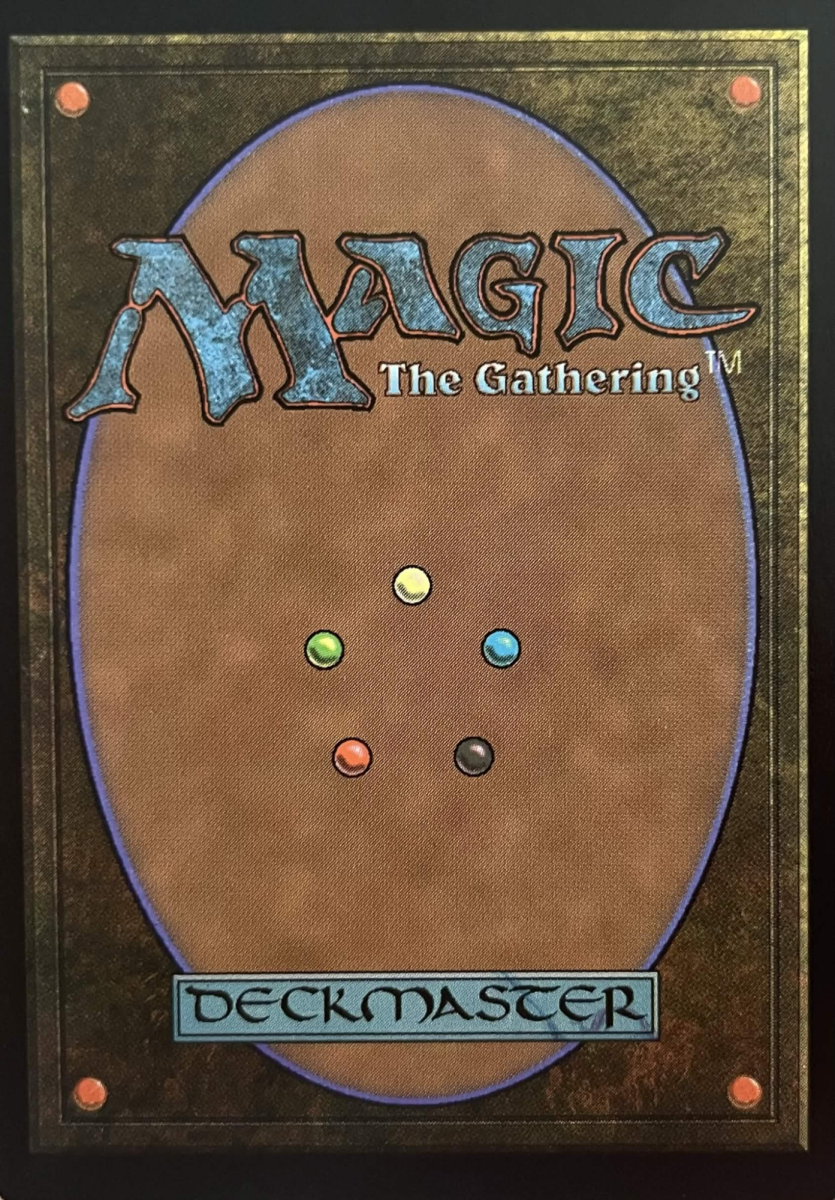
There are many examples of the high price of Magic: The Gathering cards, with cards ranging anywhere from three cents to over 90 dollars. Decks themselves can reach well past 200 dollars, more than enough to put a heavy dent in any wallet. Some people don’t have the money to spend on making a deck, but want to continue with their hobby; That’s where proxies come in.
Proxies are official cards and other game materials made by the person who plays them. They offer a cost-effective way to make decks that previously would’ve cost a fortune. There are some variations in quality among proxies, as they can be printed on regular paper or on cardstock, so players able to spend the extra money can have better quality proxies. Even for those who can afford the most expensive cards, painting proxies offers a fantastic method of testing new cards and strategies before committing to the price. “I don’t really use them, but I can see why they would. Some cards can get kind of expensive,” said Christian Taylor, a senior at Pahrump Valley High School, and an avid Magic player.

Proxies also open a pathway to near unlimited customization. Making proxies can allow for the addition or subtraction of unnecessary text, from reminder text to flavor text. Additionally, the layout of the card can be edited. This allows the Mana Cost and stats of the card to be shifted around. Occasionally, Magic players may even make a proxy just to replace the artwork with something more suited to their taste.
In the Magic: The Gathering community, proxying is not met with much hostility. As long as the art is properly accredited to the creator and any proxies made with official art are not sold, most stores and small play groups allow proxies to be played. Additionally, due to the fragile nature of the cards, many players use proxies as a stand-in for valuable cards that they own in order to eliminate the risk of damaging the cards. The only exception to this is in Duelists’ Convocation International (DCI) sanctioned tournaments, where all cards must be authentic Magic: The Gathering cards. In DCI tournaments, proxies can only be given by judges to replace a card damaged during play.
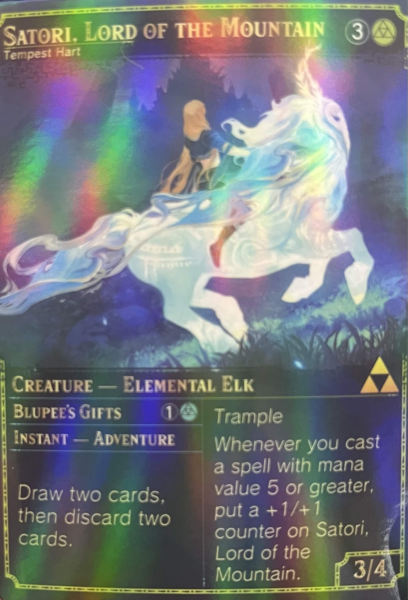
While there is a market for proxy cards with altered art, everybody agrees that unaltered proxies are solely and forever the property of the one who made them, and that attempting to sell them crosses the line of acceptability. Counterfeiting is one of the primary reasons behind the hostility toward proxied cards and has left a dark stain on the community’s perception of proxies.
Proxies are an excellent way to make Magic: The Gathering cheaper, and for those willing to weed their way through the potential scrutiny, proxying can be a fantastic way to create otherwise expensive decks. It’s up to the player if they use proxies or not, but, either way, Magic is an exciting hobby for all.