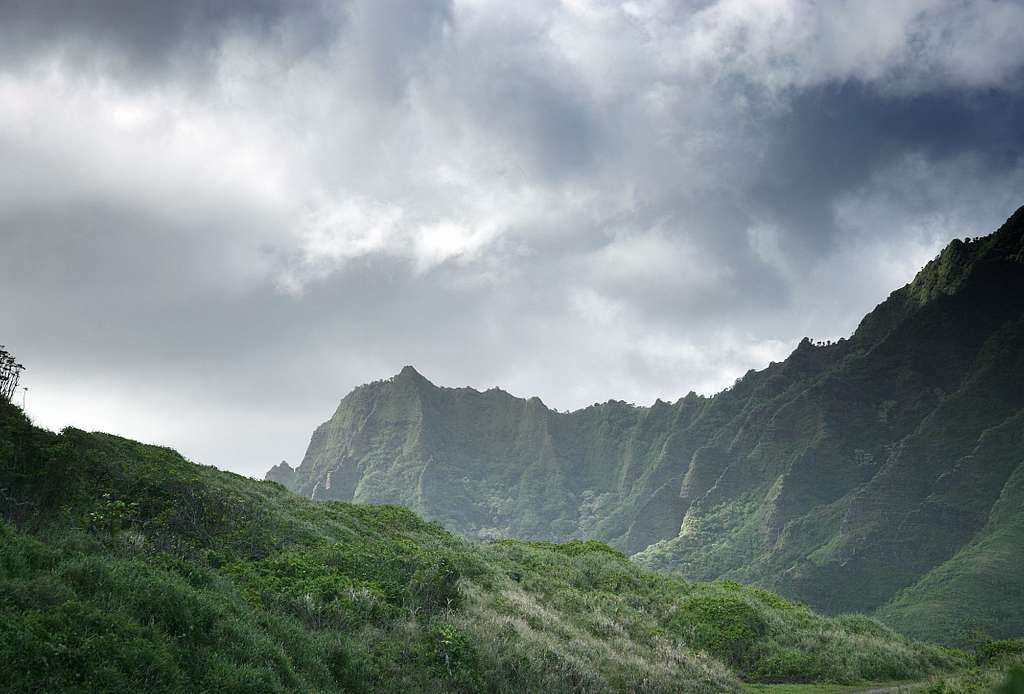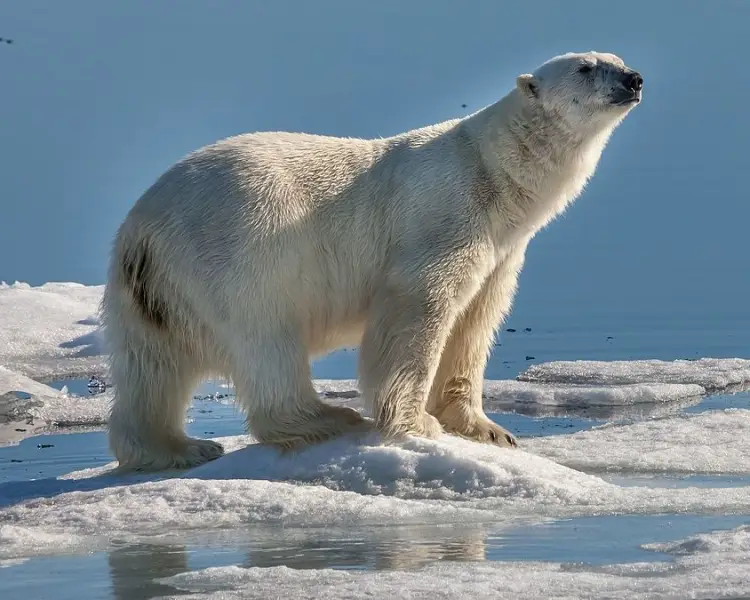
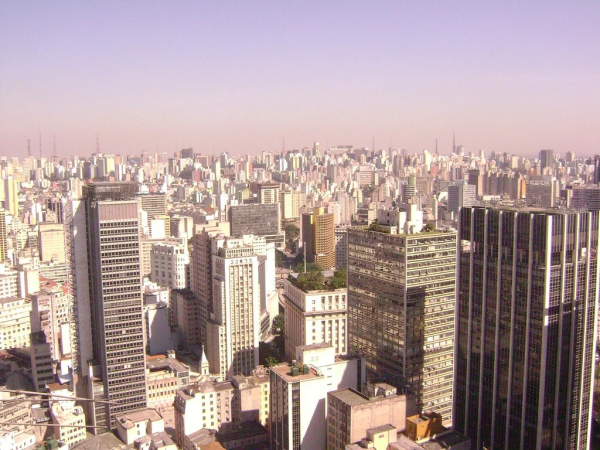
Organisms are gradually declining because of habitat loss and predation around the world. The diminishing of animals began because of infrastructure being built around regions where a stable life would take place. Reducing the space taken up by buildings, like building stacked apartments, would increase populations and the status of endangered species.
The prevention of habitual loss could be relieved by creating new construction limits within an area, still allowing there to be accessible locations for different life forms to survive without the invasion of humans. Eco-friendly housing protects biodiversity and reduces waste by using materials that are friendly to the environment and by using built-in compost systems in kitchens, making it so that it breaks down materials efficiently without creating pollution. In The Conservation Fund, it states, “Habitat fragmentation can reduce biodiversity by up to 75%.” This information is provided to try to improve our way of life, halting the destruction of farms and open land.
Having clean air in the environment is important to different biodiversities because with it being polluted there’s microplastics contaminating soil, water, and causing harm to organisms which get stuck in those big pieces of waste lying around. Percentages from the World Health Organization shows, “Almost all of the global population (99%) breathe air that exceeds WHO guideline limits.” There needs to be more global awareness about what we’re putting into our planet. Destroying basic needs required for humans and animals of all kinds to live a sustainable life is something we should be more concerned about regarding our ecosystem’s health and safety.
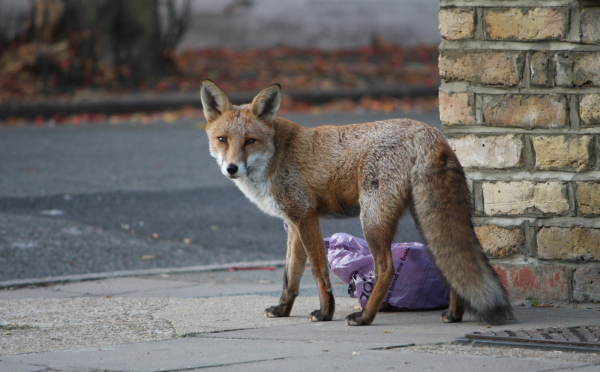
Ecosystems are better structured with high biodiversity than the opposite of such because it keeps the food chain balanced and easy to revive; without a part of the food chain another is at risk of falling. In return, people have to intervene and help organisms rebuild themselves by putting them in separate areas from other biodiversities. The risk of this is the organism becoming domesticated and unable to live and provide for themselves in the wild without the help of humans. World Animal Protection says, “It limits the natural behaviour of an animal and places both their mental and physical wellbeing at risk.” Domestication of animals causes special chemicals in their brain, which cause fear and instinctual responses to fade and make the animal prone to predation.
Deforestation in southeast rainforests leave many animals like sloths, orangutans, toucans, and other various species without homes because we as a species are cutting trees down for more infrastructure. Agriculture is also another driving force of deforestation for their own ecological health, making barns, fences, and for soil health. There should be substitutes for wood so organisms would have a sufficient amount of space to not have to have competition for their own spaces to thrive. Destroying rainforests can also increase carbon amounts, which is harmful to us and our environment if it’s been left to develop in mass it could also cause respiratory failure.
Prevention of land endangerment could benefit biodiversity in the wild by helping organisms get by with a sustainable way of life and reach a balanced population. Environmental changes will be the biggest cost of our lost organisms, and due to weather changes, it’s been made almost impossible for creatures of all kinds to have a comfortable or fulfilling life-span without suffering in some way. What could you change to better our world?